GFF26 Perspectives: Who Knows Where the Time Goes?
A semi-sort-of coming of age.
Written by Lillian Salvatore.
Paragraph Section - 1
As seen in our retrospective strand last year, Coming of Age is a genre that always has a home at GFF. However, the films in this selection each explore something more fractured. They are cinematic stories steeped in grief, girlhood, and longing, each centring on a moment of rupture, an event that forces their young characters into change, splintering from themselves and from the family structures that once defined them.
“You are the perfect canvas for projection,” an AI developer tells Luca, the 16-year-old influencer at the heart of Joscha Bongard’s eerie drama Babystar. This is nothing new to Luca, the child of famous family vloggers who have documented every part of her existence since her birth. But when her mother falls pregnant with a second child (and a new income stream), Luca’s sense of self begins to fracture. Increasingly detached from her own image, she questions the person beneath the ‘star’, her displacement unfolding under the gaze of others, both online and in the surveillance state of her family home.
Babystar Still
Maja Bons portrays a 16-year-old influencer, Luca, in Joscha Bongard’s Babystar. The film will have its UK premiere at GFF26.
Paragraph Section - 2
Luca’s loneliness is mirrored in Carrie, who is brutally isolated from her peers after an awakening that similarly calls her identity into question. One of GFF’s Special Event films this year, Brian De Palma’s Carrie externalises this confusion and isolation through her telekinetic powers and devastating consequences. In both films, adolescence is a site of fracture, where becoming oneself means breaking away, often painfully, from the structures that once promised safety.
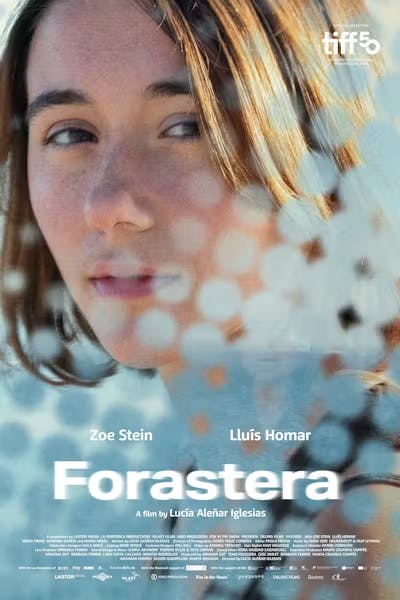
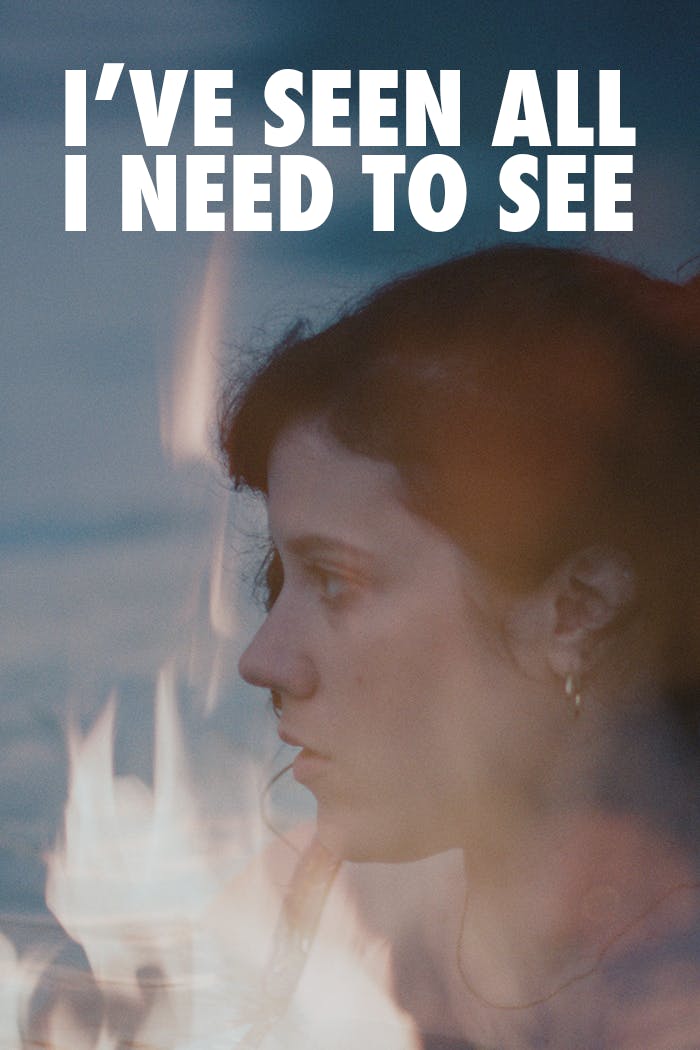
A sudden death and the ensuing grief awaken something similar in the protagonists of Forastera and I’ve Seen All I Need to See. After her grandmother’s death, Cata’s sense of self fractures as family tensions surface and grief permeates her daily life in Lucía Aleñar Iglesias’s Forastera. For Parker, in Zeshaan Younis’s deeply moving I’ve Seen All I Need to See, it is the mysterious death of her sister that draws Parker back to her hometown. Both women’s loss manifests as a slow blur into otherness, as Cata begins to wear her grandmothers' dresses, adopts her routines, and inhabit her emotions. Like Cata, Parker is unmoored, attempting to piece together what has happened whilst dissolving into the vast, empty Arizona dessert. In grieving, Cata unfolds herself into her grandmother, as if trying to locate herself through what has been lost, and Younis’s slow, heavy imagery mirrors Parker’s grief, allowing her longing to linger in stillness and space.
Through isolation, longing, and slow immersion in absence, these films trace a shared search for selfhood, one shaped by loss, projection, and the uneasy process of becoming.